
Alpha Peptides® / Research Library
Compound Research
Research context, terminology and evidence for compounds in the Alpha Peptides catalogue.
-
What Does Cu Mean in GHK-Cu?
The letters GHK describe a three-amino-acid peptide. Adding Cu identifies a copper complex. Learn why that difference matters when comparing studies and research materials.
-
Tesamorelin vs Ipamorelin: How Their Research Pathways Differ
Tesamorelin and ipamorelin can both appear in growth hormone research, but they act through different receptors. Compare their mechanisms and the questions their studies address.
-
CJC-1295 With DAC vs No DAC: The Research Difference
What does DAC change in CJC-1295 research? Compare the molecular distinction, the original studies and the specification of a No DAC research blend.
-
Lyophilised Cerebrolysin: Storage and Research Documentation
A guide to Alpha’s lyophilised Cerebrolysin research material, stated 2–6°C storage conditions, batch documentation and laboratory-use restrictions.
-
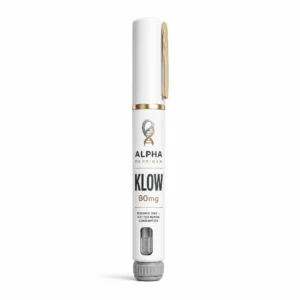
What Is KLOW? Peptide Blend Composition Explained
Explore the four compounds in KLOW 80mg, their labelled amounts and selected research. A clear guide from Alpha Peptides®, serving UK customers.
-
KPV Animal Studies: What Mouse Colitis Models Actually Show
Explore KPV animal studies in mouse colitis models, the role of PepT1, and what the findings can and cannot establish about human benefit.
-
GHK-Cu Animal Studies: Wound Repair, Collagen and Mixed Results
Compare GHK-Cu animal studies on wound repair, collagen and ligament grafts, including positive, non-significant and temporary findings in rats.
-
MOTS-c Animal Studies: What Mouse Research Reveals About Muscle and Metabolism
Explore MOTS-c animal studies from 2015, 2021 and 2026, covering mouse metabolism, muscle performance and the limits of human exercise measurements.
-
BPC-157 Animal Studies: What Rat Tendon Research Actually Found
Explore BPC-157 animal studies on rat tendons, what researchers measured, how cell studies differ, and the limits of these preclinical findings.
-
UK Peptide Research: What the 2026 Trial Reforms Could Change
UK clinical-trial rules changed in April 2026. Explore what the reforms could mean for peptide research, and what still requires evidence and approval.